Morocco's reliance on foreign powers: A cycle of strategic disappointment
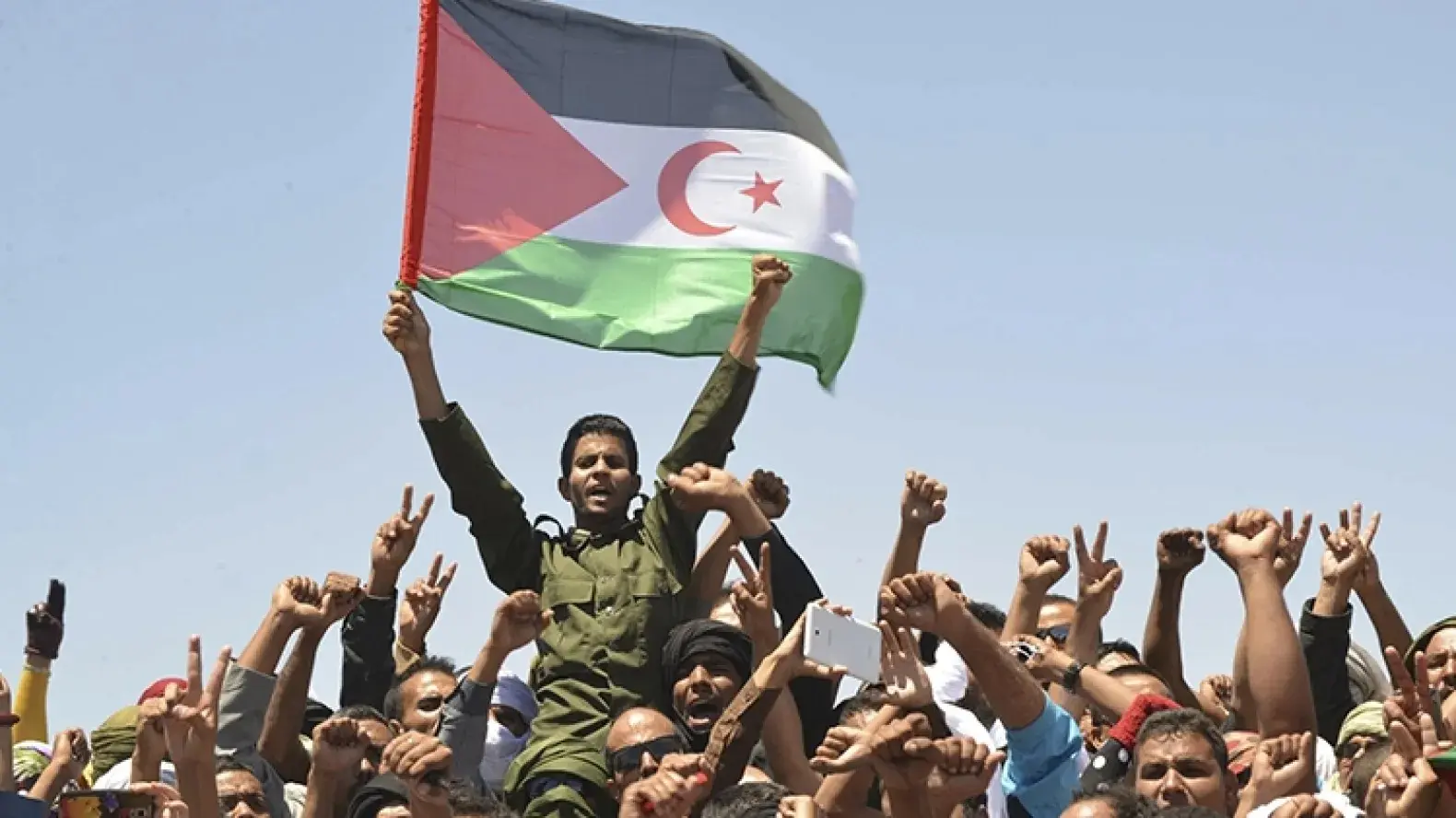
The Moroccan regime continues to build its policy regarding the Western Sahara issue on external dependencies, ignoring the complexities of modern international relations. Rabat has consistently bet on American support to compel Algeria into compromising its foundational principles, a strategy that has repeatedly met with failure. Despite US officials describing Algeria as a vital partner and rejecting the idea that it hinders the resolution of the conflict, Moroccan elites have persisted in misinterpreting global diplomatic nuances. The regime’s attempt to frame selective readings of UN resolutions—such as the creation of the "Day of Unity" in 2025—as absolute victories masks a fundamental strategic inability to engage constructively. From the 1963 border crisis to the 2020 normalization agreements, Morocco's reliance on external variables rather than sovereign strategic planning has led to a persistent cycle of disappointment, highlighting a pattern of political behavior that continues to overlook the realities of its regional environment.