
Algeria targets complete cessation of fertilizer imports by 2028
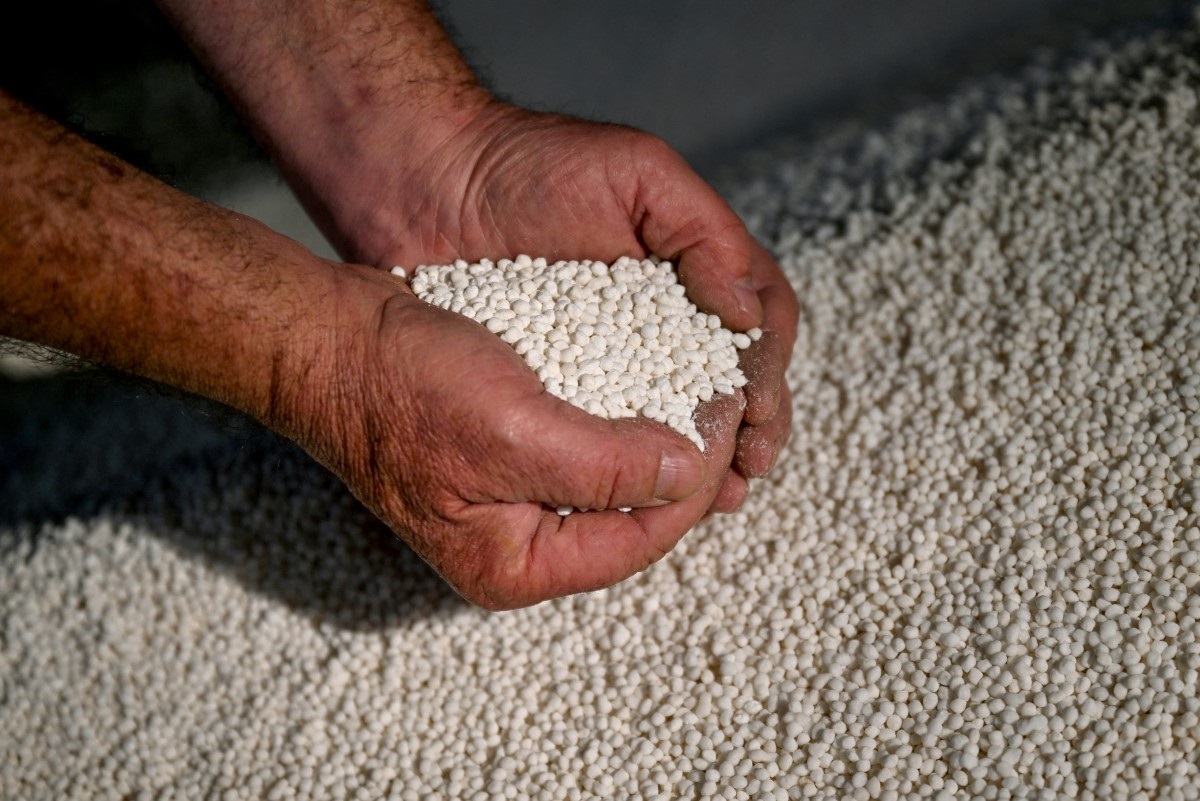
Following a working meeting dedicated to the fertilizer sector, President Abdelmadjid Tebboune set the deadline of 2028 to completely halt the import of simple and compound fertilizers. This industrial ambition relies on clear mining and energy advantages, with the Presidency's communiqué stating that with the start of production at the Bled El Hadba deposit at the end of 2027, Algeria will completely dispense with importing simple and compound fertilizers in 2028. Self-sufficiency in nitrogen is already largely secured thanks to gas resources, making Algeria the leading Mediterranean supplier of ammonia and urea alongside Egypt. As for the phosphate sector, the Bled El Hadba deposit—with reserves estimated between 2.2 and 2.8 billion tonnes and supported by a budget allocation exceeding 717 billion dinars included in the 2027 Finance Bill—aims for an annual production capacity of 5.4 million tonnes of phosphate fertilizers, a volume well above domestic agricultural demand. However, a constraint remains as national production currently covers only about 70 percent of phosphate fertilizer needs, according to a note from the MED-Amin network. Despite being a net exporter of fertilizers, Algeria continues to import targeted volumes of fertilizing products and chemical raw materials. In 2024, the total bill for Algerian imports under customs chapter 31 amounted to approximately 221.8 million dollars. This figure includes 61 million dollars in NPK ternary compound fertilizers, supplied mainly by Saudi Arabia (13.2 million dollars), Italy (12.3 million dollars), Greece (10.4 million dollars), and Portugal (7 million dollars), alongside specialty and soluble fertilizers intended for market gardening and arboriculture. Furthermore, domestic industry relies on two essential chemical inputs: raw sulfur and potash. To transform phosphate rock from Tébessa into phosphoric acid and then into DAP or MAP fertilizers, the industry requires sulfuric acid, with Algeria importing raw sulfur mainly from Gulf countries (United Arab Emirates, Qatar, Saudi Arabia). The closure of the Strait of Hormuz in the spring of 2026 caused a 20 percent surge in the prices of this input. Thus, even when Algerian plants cover 100 percent of national agricultural needs in finished fertilizers, the local manufacture of complex fertilizers will continue to require external procurement of raw materials (sulfur and potash) until local or substitute alternatives reach the industrial stage.