North African Regional Meeting on Methane Mitigation and Energy Trade Kicks Off in Algiers
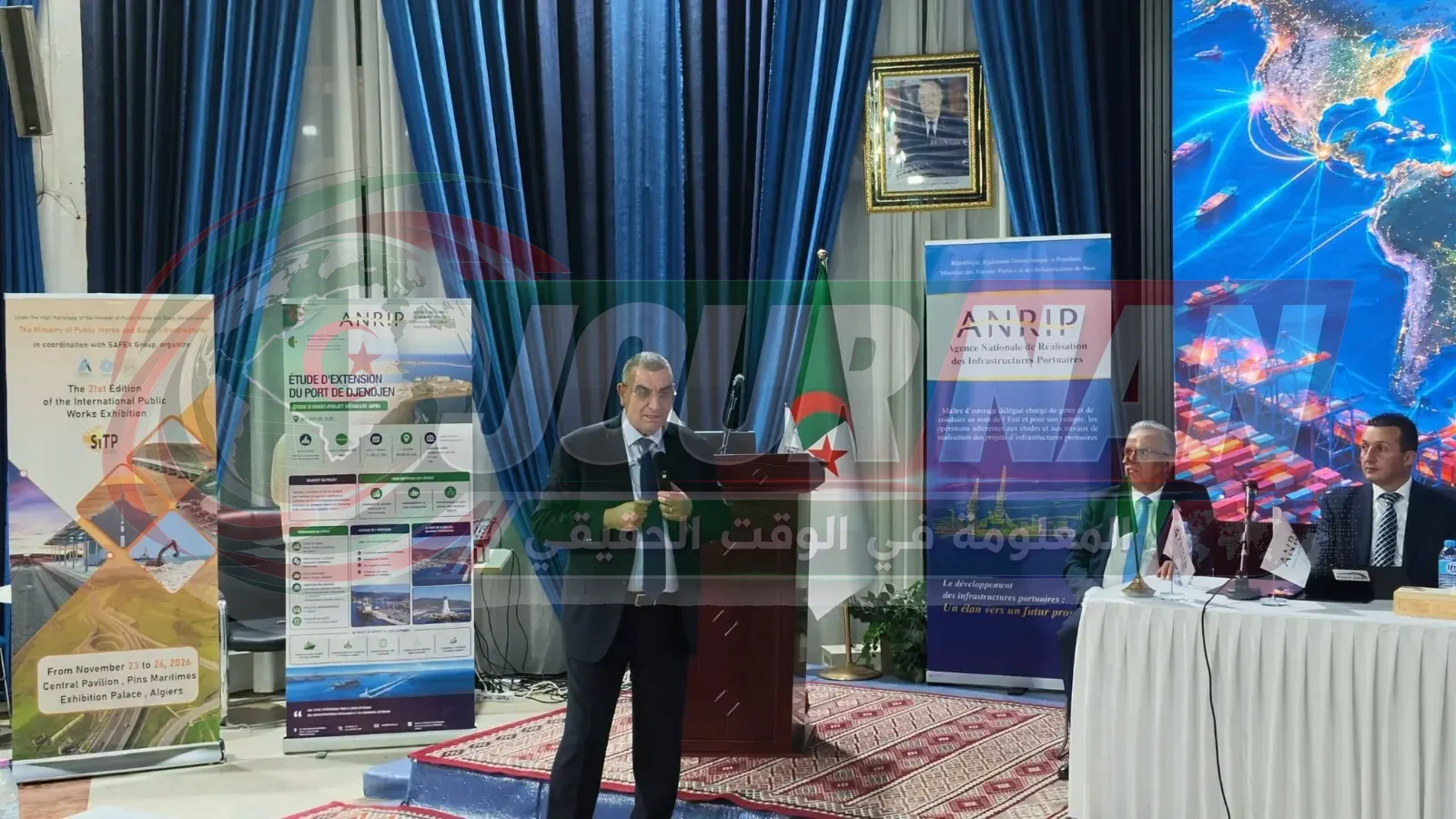
The proceedings of the North African regional meeting focused on methane emission mitigation and trade issues within the oil and gas sector commenced on Wednesday in Algiers. This two-day event aims to explore ways to decrease these emissions and enhance the compliance of hydrocarbon-producing and exporting nations with growing international environmental and commercial standards. The opening ceremony was overseen, on behalf of the Minister of State, Minister of Hydrocarbons, Mohamed Arkab, by the Ministry's Director General of Foresight, Ismaïl Mostefa, in the presence of the Executive Director of the African Energy Commission (AFREC) of the African Union, Rashid Ali Abdallah, alongside several members of the diplomatic corps accredited in Algeria. The gathering is organized by the African Energy Commission, in collaboration with the Ministry of Hydrocarbons, and in partnership with the UK's Foreign, Commonwealth & Development Office, the Global Methane Hub, the African Energy Policy Centre, the Climate and Clean Air Coalition, and the Clean Air Task Force, with the participation of experts, officials from energy and environmental regulatory bodies, and representatives of national oil and gas companies from the concerned countries. This roundtable takes place within the framework of the Methane Emissions Management and Capacity Building Project in the African Oil and Gas Sector, launched by the African Energy Commission in 2024 to support African Union member states in their endeavors to curb emissions of this gas, particularly amid rapid transformations in global oil and gas trade and rising demands for environmental compliance. The event aims to examine the status of methane emissions in Algeria, Libya, Egypt, Tunisia, and Mauritania, the importance of developing effective monitoring, reporting, and verification systems, as well as studying emerging international trade measures linked to these emissions and their repercussions on North African oil and gas producers and exporters, especially regarding market access and supply chain transparency. Furthermore, this appointment serves as a space for exchanging experiences and fostering dialogue among governments, the industrial sector, civil society, and continental institutions, allowing for the identification of gaps and available opportunities to develop comprehensive and effective methane mitigation policies. Discussions are expected to yield a shared regional vision balancing environmental requirements and economic priorities, in addition to defining practical steps to boost cooperation and develop reliable measurement and transparency mechanisms, thereby supporting the competitiveness of the region's exports in global energy markets.