
Oued Mouilah Pollution: Algeria Finalizes International Appeal File
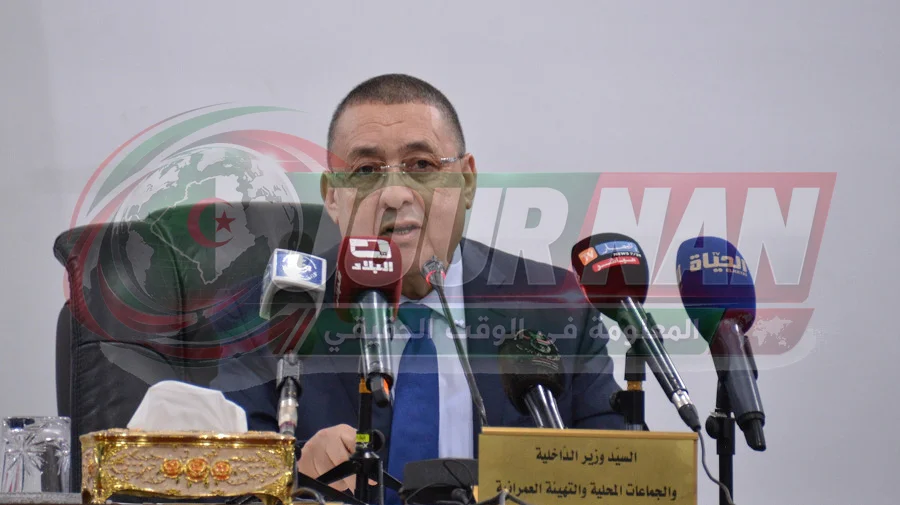
The Minister of State, Minister of Interior and Local Authorities, Brahim Merad, chaired a high-level interministerial meeting dedicated to finalizing the dossier concerning the pollution of Oued Mouilah in the wilaya of Tlemcen, with the view of submitting it to international institutions and organizations. This gathering falls within the framework of preparing a technical, health, and legal argument documenting the environmental damages as well as the public health risks linked to the degradation of this border watercourse. Alongside Brahim Merad, the proceedings brought together several government members: the Minister of Hydraulics, Lounès Bouzegza, the Minister of Health, Mohamed Seddik Aït Messaoudène, the Minister of Environment and Quality of Life, Kaouter Krikou, the Minister of Communication, Mohamed Bouslimani, and the Delegate Minister in charge of Local Authorities, Fouzia Naâma. The Secretary General of the Ministry of Interior, representatives from the Ministry of National Defense, the National Gendarmerie command, and executives from various concerned sectors also took part in this working session. According to the Ministry of Interior services, this meeting directly follows the inspection visit recently conducted in Maghnia by a governmental delegation, upon the instruction of the President of the Republic, Abdelmadjid Tebboune. The stated objective by the authorities is to consolidate the scientific and regulatory evidence enabling the referral of the competent international bodies. Based on reports from mandated expert commissions, Oued Mouilah – which constitutes the main tributary feeding the strategic dam of Hammam Boughrara – as well as the El-Mehaguene and Abbes oueds, present a critical level of pollution. Algerian authorities attribute this situation to untreated industrial and urban discharges originating from Moroccan territory, notably the Oujda region. According to these same official sources, laboratory analyses revealed the presence of heavy metals and pharmaceutical residues, constituting a direct threat to the region's water resources and the health of local populations. Hydrographically, the watershed of Oued Mouilah extends on both sides of the Algerian-Moroccan border, originating in Morocco where it is notably fed by Oued Bounaïm and Oued Isly, before continuing its course towards Algerian territory up to the Hammam Boughrara reservoir.