Major railway projects to cement Algeria's status as a regional hub for continental connectivity
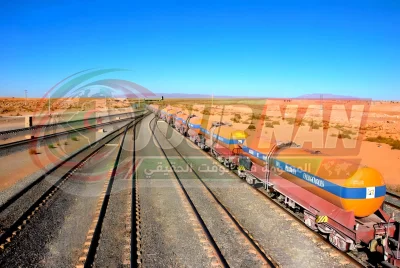
The Minister of Public Works and Basic Infrastructure, Abdelkader Djellaoui, stated on Thursday that the major railway projects currently underway across the country will enhance Algeria's role as a regional platform for trade and continental connectivity. Speaking while supervising a study day themed "Strategic Railway Lines: The Locomotive of the National Economy," held alongside the 21st edition of the International Public Works Exhibition, the minister explained that these railway developments cross national borders, such as the Algiers-Tamanrasset rail line and other key axes, reinforcing Algeria's integration into its African space and establishing cross-border logistical corridors. These initiatives coincide with a pivotal phase in the nation's development path, driven by the vision of the President of the Republic, Mr. Abdelmadjid Teboun, to diversify growth sources, boost national production, and valorize natural and human resources to build a productive and diversified economy. According to Mr. Djellaoui, railways are no longer merely a means of transporting passengers and goods, but have evolved into a strategic economic tool connecting resources to production and processing sites, linking mining, industrial, energy, and agricultural poles to ports and markets, while contributing to food, energy, and mining security and fostering regional balance. The minister addressed the Western Mining Line Gara Djebilet-Tindouf-Bechar, spanning approximately 950 km, which was inaugurated by the President of the Republic early this year after being completed ahead of schedule by national competencies, bringing the Gara Djebilet iron ore deposit into the exploitation phase. In the east, work on the Eastern Mining Line Annaba-Tebessa-Bled El Hadba is progressing at an accelerated pace over 422 km as part of the integrated phosphate project, connecting the deposits of Djebel Onk and Bled El Hadba to the port of Annaba to serve as a new driver for non-hydrocarbon exports. The minister concluded by noting that executing these major projects requires rigorous planning, innovative financing methods, and balanced partnerships, while calling on participants to enrich the discussion on these matters.