Algeria Outlines Its Diplomatic and Security Approach for the Sahelo-Saharan Region
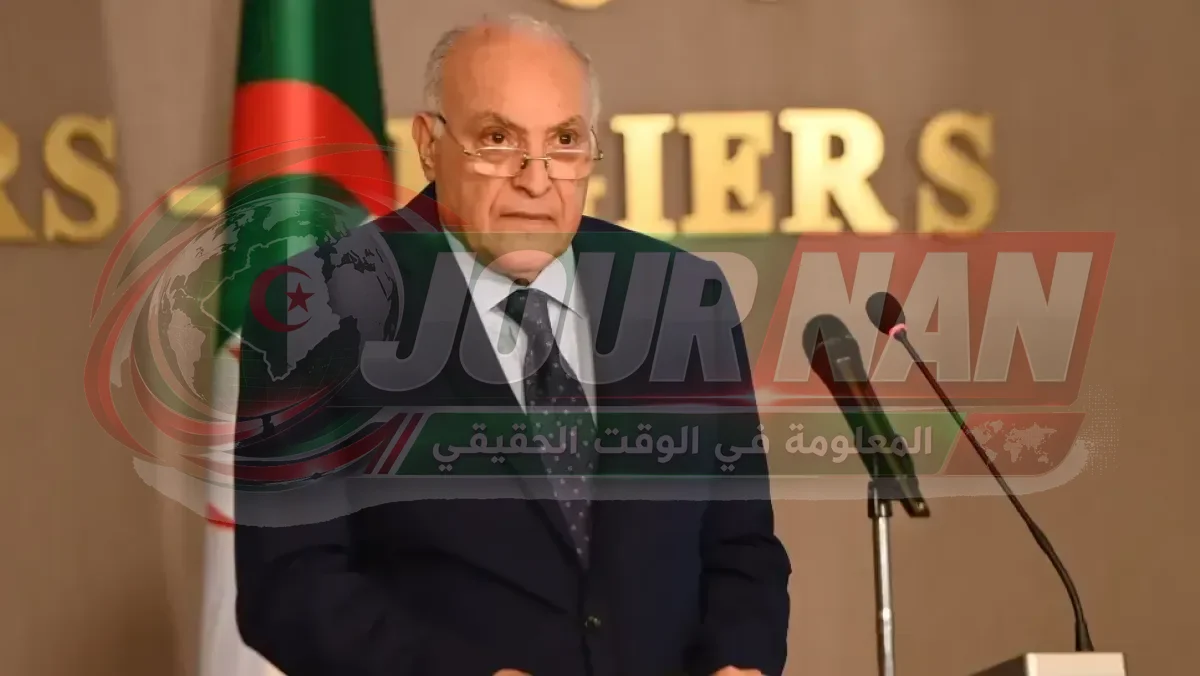
The Minister of State, Minister of Foreign Affairs, National Community Abroad and African Affairs, Ahmed Attaf, hosted a media briefing at the ministry headquarters to present Algeria's perspective on current geopolitical shifts and regional security challenges, alongside its framework for fostering stability in the Sahelo-Saharan space. During the session, the minister noted that the international landscape is characterized by accelerating tensions, a testing of multilateral norms, and a decline in the authority of international law and institutions due to selective enforcement. He stressed that Algeria views these developments as directly tied to its national security, making strategic vigilance and proactive diplomacy essential. Mr. Attaf emphasized that Algeria's core priorities are safeguarding its stability, averting spillover effects, and contributing to lasting regional solutions while strictly adhering to state sovereignty and non-interference. He explained that Algeria's approach toward its immediate and regional neighbors—namely Niger, Mali, Mauritania, Chad, and Burkina Faso—rests on three integrated pillars: development, security cooperation, and social cohesion. On the development front, the minister highlighted ongoing efforts, guided and monitored by President of the Republic Abdelmadjid Tebboune, to implement structural infrastructure projects, enhance transport and communication networks, improve healthcare and education, and build mutually beneficial energy and economic partnerships. Regarding security, he underlined that combating terrorism and transnational organized crime, including smuggling and human trafficking, remains a central priority, noting that cross-border threats cannot be addressed through isolated or unilateral efforts.