
Nuclear Tests in the Sahara: French Government Resists Compensation Expansion
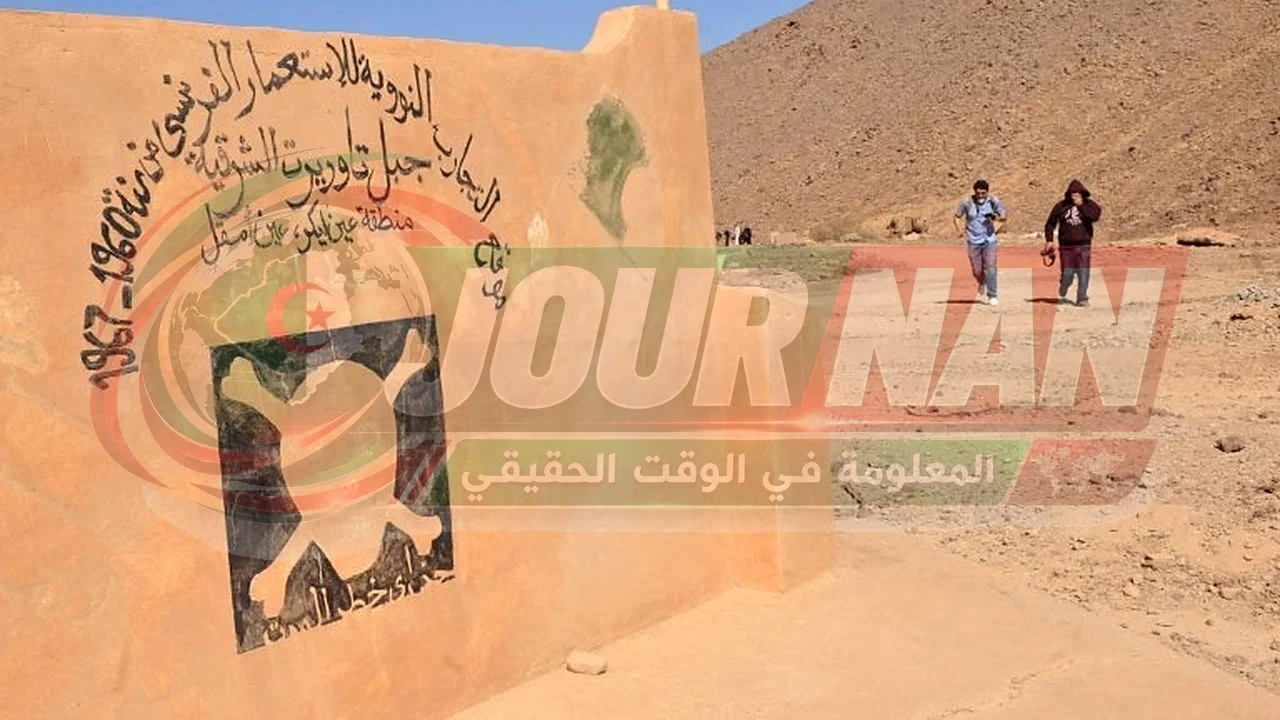
More than six decades after France conducted its first atomic bomb test in Reggane on February 13, 1960, the French government continues to dispute the financial obligations toward victims. The French Minister of the Armed Forces announced before the National Assembly's Defense Committee that the government cannot support a proposed law aimed at broadening compensation for victims of nuclear tests carried out in Algeria and Polynesia. The government abandoned the simplified procedure that would have allowed the text to be finally adopted on December 1st in the version passed by the Senate in May. Financial reasons served as the primary argument, with the Ministry of the Armed Forces estimating the reform's cost between 2 and 3 billion euros in July, compared to the Senate's spring estimate of about 346 million euros for catch-up costs plus 105 to 175 million euros annually. The minister also objected to removing the one-millisievert threshold used by the Committee for Compensation of Nuclear Test Victims (CIVEN) to dismiss claims, as well as the compensation granted to victims' relatives. For Algeria, the legislative text maintained the 2010 regulations, preserving the zones and periods for the 17 initial tests conducted in the Algerian Sahara, including the four atmospheric explosions in Reggane from 1960 to 1961 and the thirteen underground tests in In Ekker until 1966. CIVEN has received only 71 applications from individuals residing in Algeria, representing 2% of total files, and has accepted just two, one of which followed a court decision. Meanwhile, Algeria's law no. 26-10 of May 12, 2026, concerning the criminalization of French colonization, demands the decontamination of sites and compensation for nuclear explosion victims. On November 1st, the Ministry of National Defense launched a second cleanup operation in In Ekker at the Beryl E2 tunnel site, continuing to criticize Paris for withholding records and maps needed to locate buried waste.