
Fertilizer Sector: Fertial Invests $35 Million to Boost Algerian Ammonia Production
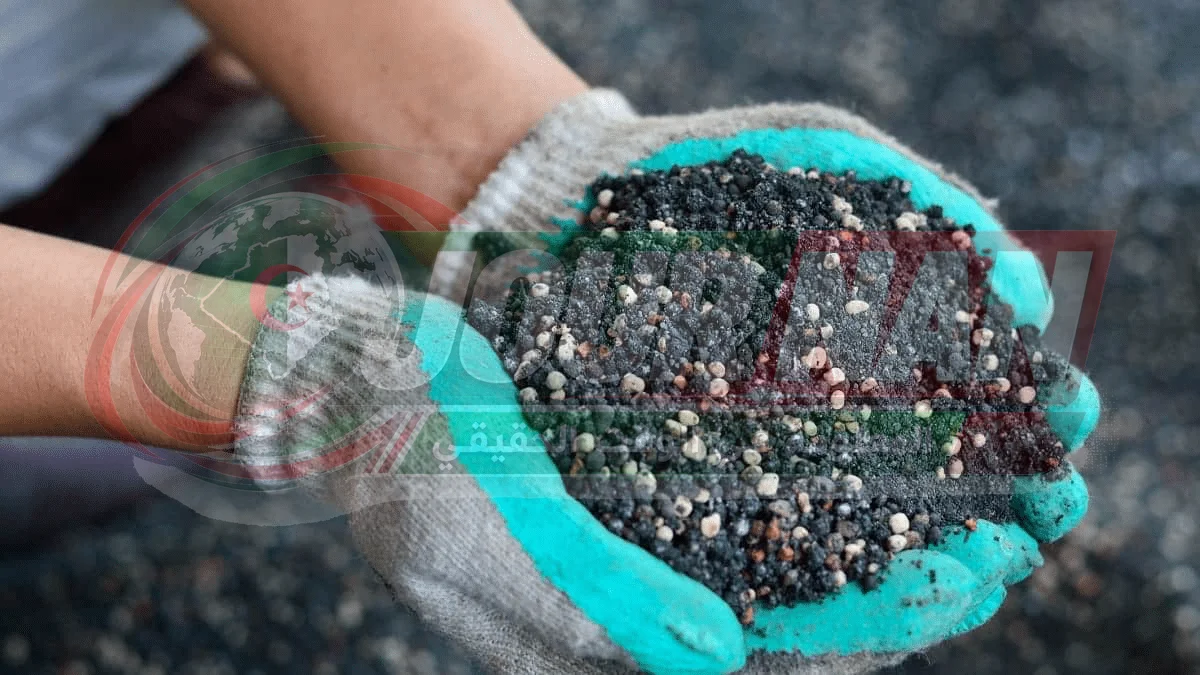
Algeria aims to establish itself as a key player in the strategic fertilizer industry. To achieve this, state-owned group Asmidal and its subsidiary Fertial have launched a major rehabilitation and modernization program for their ammonia and nitrogen fertilizer units, backed by an investment of 35 million dollars. The project is primarily financed through the company's own resources, with a partial contribution from Asmidal, without relying on bank loans. The company's CEO, Riyad Sayad, told the daily newspaper Annasr that this initiative follows a difficult period characterized by declining production capacities and insufficient investment. The company is now prioritizing national expertise, mobilizing 25 local companies, including start-ups, as well as 440 Algerian workers and technicians to carry out 79 major technical interventions on industrial equipment. Beyond upgrading the facilities, the operation aims to significantly improve industrial performance, raising daily ammonia production from around 750 tons currently to over 900 tons, with a target of 1,000 tons per day. The program also intends to increase equipment availability from 64% to 87%, optimize natural gas consumption to under 1,300 cubic meters per ton of ammonia produced, and generate cumulative gains of over 16.77 billion dinars over five years. In terms of industrial safety, Fertial is renewing ammonia transport infrastructure in Annaba, which includes replacing 3.6 kilometers of gaseous ammonia pipelines and rehabilitating liquid ammonia transport facilities, ensuring technical compatibility with the phosphate terminal project at the port of Annaba and the Bled el Hadba integrated phosphate project in Tébessa. The renovation program began on September 9, 2026, and is scheduled to run until February 28, 2027. Finally, Fertial plans to diversify its offerings by developing new fertilizer formulations adapted to the needs of the national agricultural market and supporting food security objectives.