
Algiers in the 19th Century: Rethinking the City Through Perspective
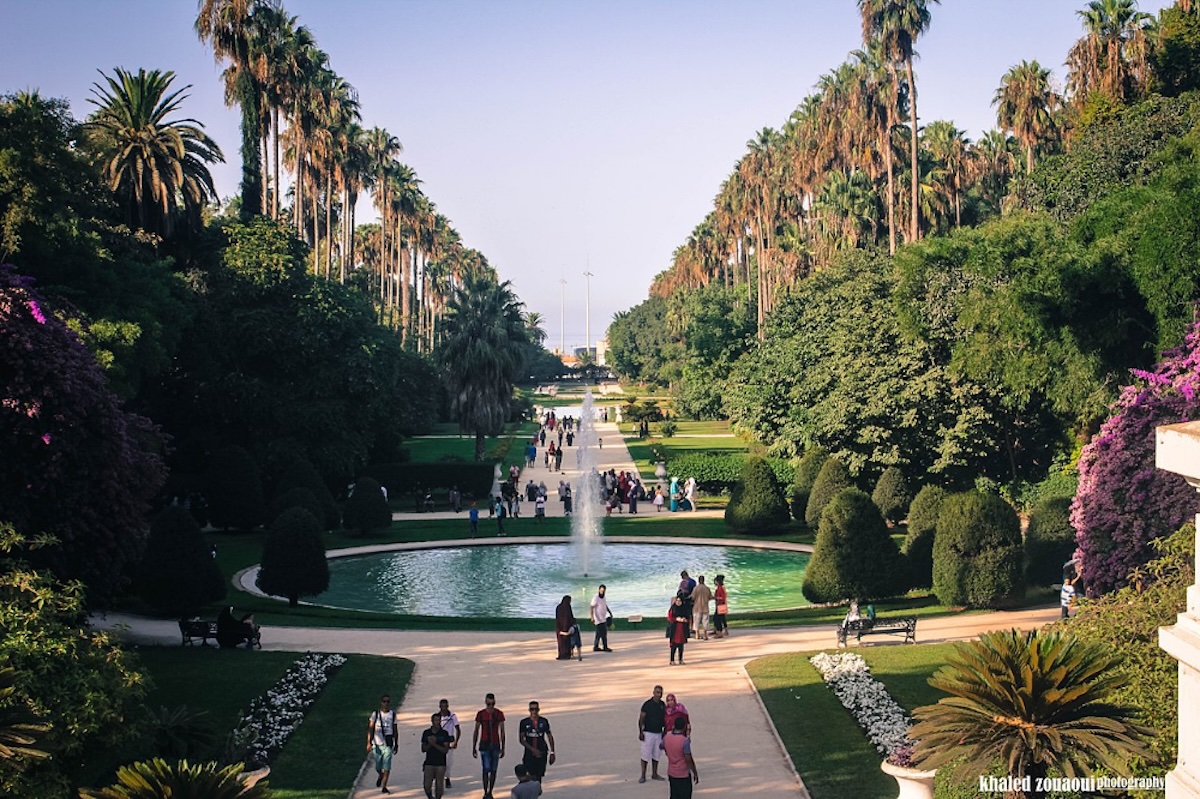
Architect and urban planner Nadir Djermoune presents a scholarly analysis of Algiers during the 19th century, utilizing the concept of "perspective space" as a framework for understanding urban evolution. The research moves beyond reductive colonial interpretations, instead proposing a "long 19th century" for Algeria, spanning from 1830 to 1930, to align local morphological shifts with universal historical cycles. By applying genetic structuralism, the study argues that urban forms are driven by both internal logic and external interventions. The findings highlight three critical lessons for contemporary urbanism: the importance of rational public spaces, the use of urban fragments to achieve global cohesion, and the role of rigorous building geometry. This academic contribution serves to inform the public on the institutional debates surrounding the genealogy of Algiers and the solutions for modern urban crises.