
A sleepless night: How it affects your emotional balance
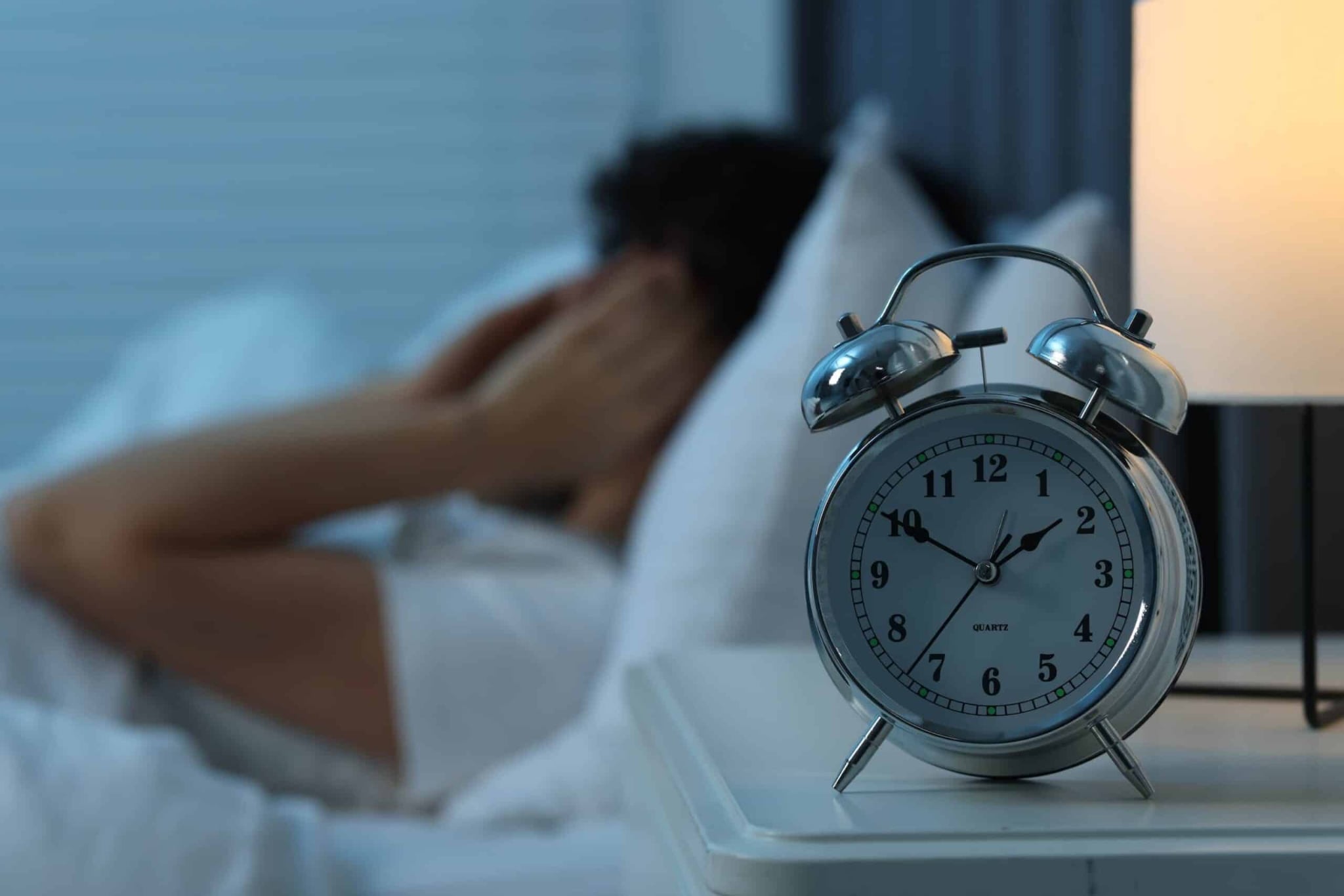
Scientific research published in December 2025 indicates that sleep deprivation, even after just one night, significantly alters how the brain processes emotional stimuli. Lack of rest weakens the neural connection between the amygdala, responsible for fear and anger responses, and the prefrontal cortex, which regulates logic and emotional control. This disconnection makes individuals more prone to anxiety, irritability, and poor impulse control when facing everyday stress. While the severity of these symptoms varies from person to person, common effects include being easily agitated, sensitivity to criticism, and a decline in positive mood. To maintain emotional stability, experts recommend consistent sleep habits, such as sticking to a schedule, limiting caffeine intake, and avoiding screens before bed. The CDC suggests that adults should aim for at least 7 hours of sleep per night. If sleep issues persist and impact daily life, consulting a medical professional is advised.