Algeria’s Lithium Battery Strategy: Focus on Energy Storage and Domestic Integration
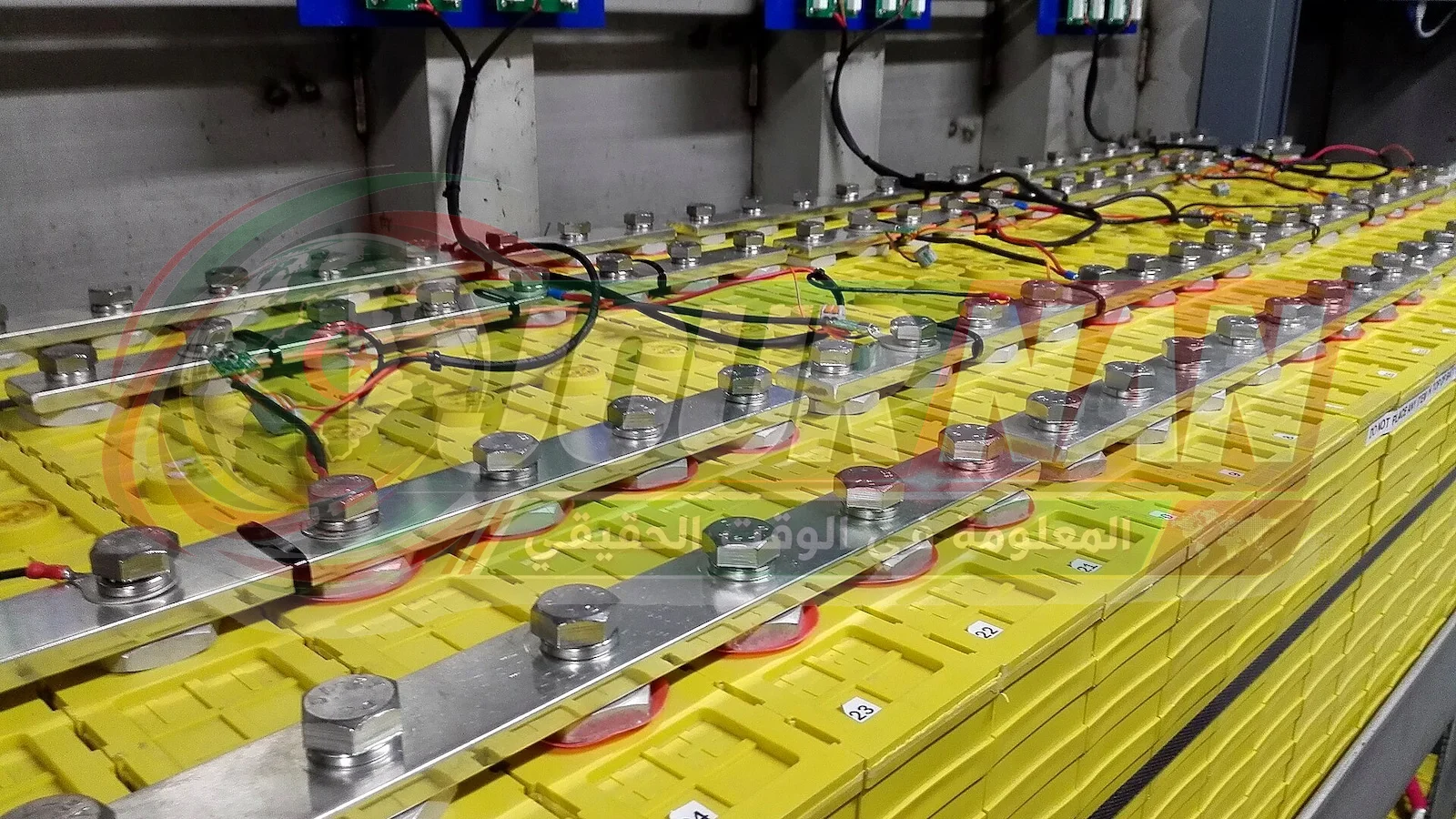
On November 23, 2026, President Abdelmadjid Tebboune entrusted Karim Zaghib with the management of a lithium battery facility, formalizing Algeria's entry into a strategic industrial sector. Born in Constantine, former head of research at Hydro-Québec, professor at Concordia University, and officer of the Order of Canada in 2025, the Algerian-Canadian electrochemist is a global pioneer in lithium iron phosphate (LFP) batteries. Placed under the supervision of the Ministry of Energy via Sonelgaz International, the project targets 5 gigawatt-hours (GWh) per year.
Speaking to APS, the expert praised the initiative as an ambitious and extremely important project in the battery domain, particularly regarding those based on lithium iron phosphate chemistry. The Algerian choice relies primarily on national resources: iron and phosphate. Karim Zaghib aims to accelerate the creation of the iron and phosphate blend used for cathodes in lithium-ion batteries.
Nevertheless, the ambition remains measured. With 5 GWh annually and an estimated investment between 600 and 850 million dollars including cathodes, the plant falls well below the profitability threshold of modern gigafactories, set between 20 and 50 GWh to compete with Chinese LFP cells. The project's structure points toward stationary storage. Karim Zaghib acknowledged that production will not be limited to electric vehicles but will also include energy storage batteries. The project's viability depends on a captive client, Sonelgaz, the delegated project manager supervising the 15 GW renewable energy program by 2035, following an initial 3,000 MW tranche. Storage is critical to support the power grid, as over 95% of Algeria's electricity comes from natural gas and summer peaks exceed 21 GW.
In contrast, Morocco has taken the opposite path, establishing an export-oriented platform for electric vehicles built with Chinese technical and financial partners, hosting Gotion High-Tech's 20 GWh gigafactory in Kenitra alongside other firms. However, officials have noted disparities between announced investments and actual funds deployed, alongside heavy reliance on the European market.
The Algerian project presents a balanced profile of strengths—such as Karim Zaghib's scientific stature, a public framework shielded from trade wars, a guaranteed internal market, low-cost energy, and abundant raw reserves—alongside weaknesses, including management led by an academic rather than an industrial mass-production partner, and the requirement to import lithium and graphite for nearly a decade.